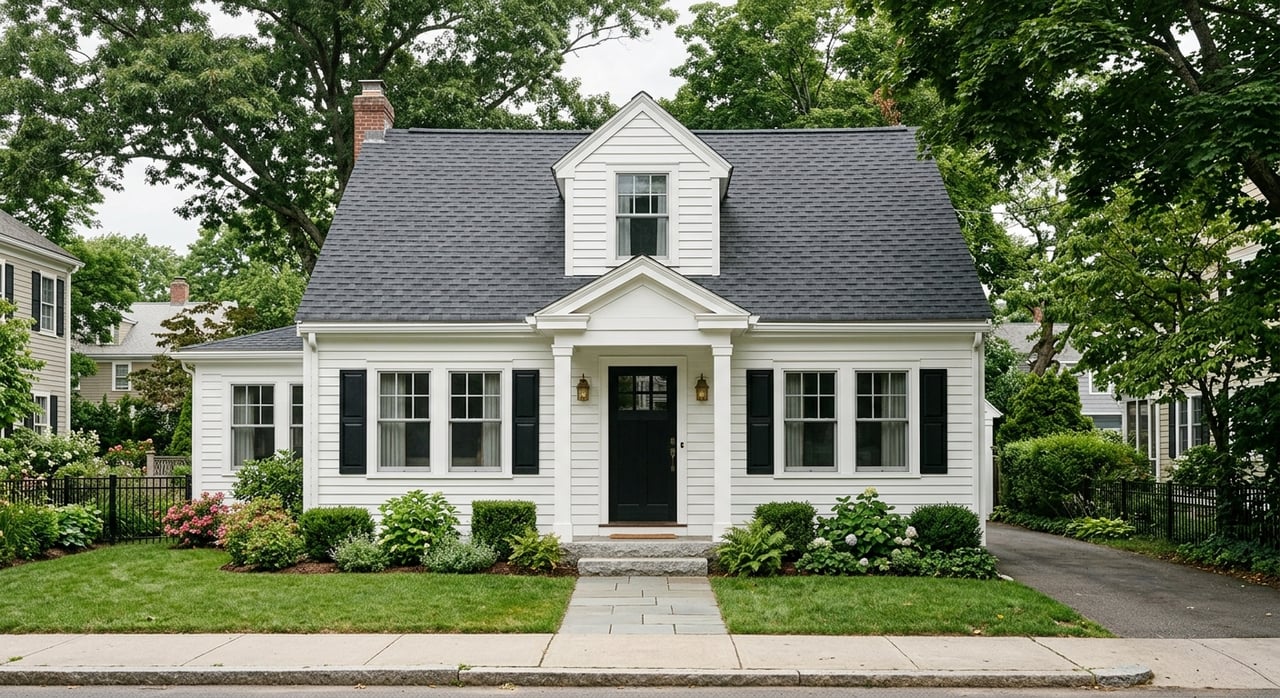
Rochester NH Neighborhoods for Buyers: First-Home Guide
June 18, 2026
June 18, 2026
Buying your first home in Rochester can feel exciting and overwhelming at the same time. You are not just choosing a house, you are choosing the part of the city that will shape your commute, maintenance, and daily routine. The good news is that Rochester gives first-time buyers several distinct options, from the convenience of downtown to larger-lot areas on the city’s edge. Let’s break down how to choose the right Rochester area for your first home.
The best first step is not picking a favorite street or home style. It is getting clear on how you want your everyday life to work.
If your schedule depends on a smooth commute, location matters right away. Rochester is served by Routes 11, 108, 125, 202, and the Spaulding Turnpike, with six exits into the city and direct access toward I-95, Pease, Manchester, Portland, Logan, and Portsmouth. That means your route in and out of town can be a major part of choosing the right area.
If convenience matters most, in-town areas may appeal to you. If extra outdoor space matters more, outer parts of Rochester may be a better fit. Before you compare homes, think about how much driving, yard work, and upkeep you want in your week.
Rochester is easier to shop when you think of it in three broad area types. The city includes a compact downtown core, named sections like East Rochester and Gonic, and larger-lot outer areas.
That matters because each type of area tends to offer a different balance of convenience, lot size, and housing style. For a first-time buyer, that can make your search feel much more manageable.
Downtown Rochester is the city’s most convenience-oriented core. City information points to shops, services, restaurants, arts venues, municipal assets, and free parking in municipal lots and nearby streets.
If you want to be closer to day-to-day amenities, downtown and nearby in-town neighborhoods may deserve a close look. These areas can be a strong match if you like a more compact setting and do not need a large yard.
Downtown also has a strong historic identity. The city’s historic district materials and downtown highlights point to older architecture and preservation-minded areas, which can be appealing if you value character.
East Rochester and Gonic are recognized sections of the community. Gonic, in particular, is described by the city’s recreation materials as having a wooded, river-adjacent setting along the Isinglass River.
For many first-time buyers, that signals a different feel from the center of the city. These areas may offer a less dense setting and a stronger connection to natural surroundings while still being part of Rochester.
If you want some breathing room without going fully rural, East Rochester or Gonic may be worth adding to your search. They can offer a middle ground between downtown convenience and larger agricultural-style areas.
Rochester’s outer areas often appeal to buyers who want more land and more spacing between homes. The city’s zoning structure includes an Agricultural Zone along with residential, business, industrial, and special purpose zones.
The practical takeaway is simple. As you move away from the compact center, you may find properties that offer more yard space and a more rural feel.
That extra space can be a plus if you want room for gardening, outdoor projects, or less density around you. It can also mean more responsibility for land maintenance and more property-level due diligence.
One of the clearest ways to understand Rochester’s different areas is by looking at lot standards. The city’s current zoning dimensions show that R1 single-family lots require a minimum of 10,000 square feet and 100 feet of frontage, while R2 single-family lots require a minimum of 6,000 square feet and 60 feet of frontage.
In the Agricultural Zone, conventional subdivision lot minimums are larger at 20,000, 30,000, or 45,000 square feet depending on water and sewer availability. Downtown Commercial has a 4,000-square-foot minimum, which reinforces how compact the city center can be.
For you as a buyer, these numbers help explain what you may see on the ground. In-town Rochester often fits buyers who want a smaller lot and less land to manage, while edge-of-city and agricultural areas may fit buyers who want more yard and more separation.
Your comfort with home updates should play a big role in where you search. Rochester’s zoning ordinance says the R1 and R2 districts are intended to support traditional neighborhood development and enhance older residential areas through infill construction, renovation, and redevelopment.
That means older homes are a meaningful part of the in-town inventory story. In practical terms, some central and established areas may offer charm and location benefits, but they may also ask more from you in terms of repairs, updates, or ongoing maintenance.
If you want a first home that needs less work, you may lean toward properties outside the oldest central areas. If you are open to character and can handle some improvement projects, older in-town homes may give you more options.
Rochester’s Historic Overlay District exists to preserve, restore, and rehabilitate historic structures and places. The downtown area also features civic landmarks like the Opera House, Public Library, Historical Society and Museum, and Museum of Fine Arts.
For a buyer, that tells you downtown is not just about convenience. It is also a place where architecture, preservation, and older structures matter more.
That can be a real benefit if you love older homes and established surroundings. It can also mean you should go in with clear expectations about maintenance, updates, and the style of housing stock you are likely to see.
Budget is one reason Rochester gets attention from first-time buyers. According to Census QuickFacts, the median value of owner-occupied housing units in Rochester is $279,100, compared with $402,500 statewide in New Hampshire.
That does not mean every home in Rochester will fit every budget. It does mean Rochester may offer a lower-cost entry point than the state median, which can make it worth a closer look if you want to stay in the Seacoast corridor.
Rochester also has a 66.0% owner-occupied housing unit rate. That points to a substantial owner-occupied market, which can be helpful context when you are looking for a place to put down roots.
If you are feeling torn between areas, keep your process simple. Rochester’s local planning and GIS tools make it possible to verify details parcel by parcel, which is especially helpful for first-time buyers.
A practical framework is to work in this order:
This order works because it helps you avoid falling in love with a house before you understand how it fits your day-to-day life. It also helps you compare homes more confidently across very different parts of Rochester.
A home can look perfect from the street and still raise important questions once you dig into the parcel details. Rochester’s planning office directs buyers to the zoning map, use tables, dimension tables, and GIS tools for that reason.
For example, lots without city sewer may need larger minimum sizes under New Hampshire Department of Environmental Services rules. So if you are looking at homes on the city’s edge or in agricultural-style areas, utility questions can matter just as much as the house itself.
This is one of the biggest reasons area selection matters. You are not only choosing a home style. You are choosing the set of property conditions and tradeoffs that come with that location.
There is no single best part of Rochester for every first-time buyer. The right fit depends on whether you value convenience, lot size, natural surroundings, renovation potential, or a more straightforward daily commute.
As a general guide, downtown and other in-town areas often fit buyers who want convenience and are open to older homes. Gonic and some edge-of-city areas may fit buyers who want more space and a more wooded setting. Agricultural-zone areas may fit buyers who prioritize larger lots and are comfortable doing more utility and zoning due diligence.
When you use that lens, Rochester becomes much easier to navigate. Instead of asking, "What is the best area?" you can ask, "Which area fits the way I want to live?"
If you are planning your first home purchase in Rochester, working with a team that understands neighborhood-by-neighborhood tradeoffs can make the process a lot clearer. Lombardi & Co helps buyers across the Dover-Rochester corridor with local guidance, responsive communication, and hands-on support from search to closing.
Stay up to date on the latest real estate trends.
Buying or selling a home is one of life’s biggest decisions. At Lombardi & Co, we guide you through every step with expertise, honesty, and personalized care. Let’s achieve your real estate goals together.