Barrington NH Homes and Everyday Lifestyle Guide
February 19, 2026
February 19, 2026
Craving a quieter daily rhythm where you can paddle a pond at sunrise, then be in Dover or Portsmouth by mid‑morning? If you want space, trees, and water nearby without losing Seacoast access, Barrington might be a strong match. In this guide, you’ll learn what everyday life looks like here, from neighborhood types and lake access to commuting, schools, utilities, zoning, and pricing. Let’s dive in.
Barrington is a Strafford County town of about 9,600 residents as of July 2024, spread across roughly 46.7 square miles of mostly woodland and former farm country. You feel the space here. The town’s planning materials focus on conserving open land and guiding growth so Barrington keeps a rural character while building a small, functional town center over time. You can see that balance in current master plan updates and public projects meant to shape a modest, walkable core.
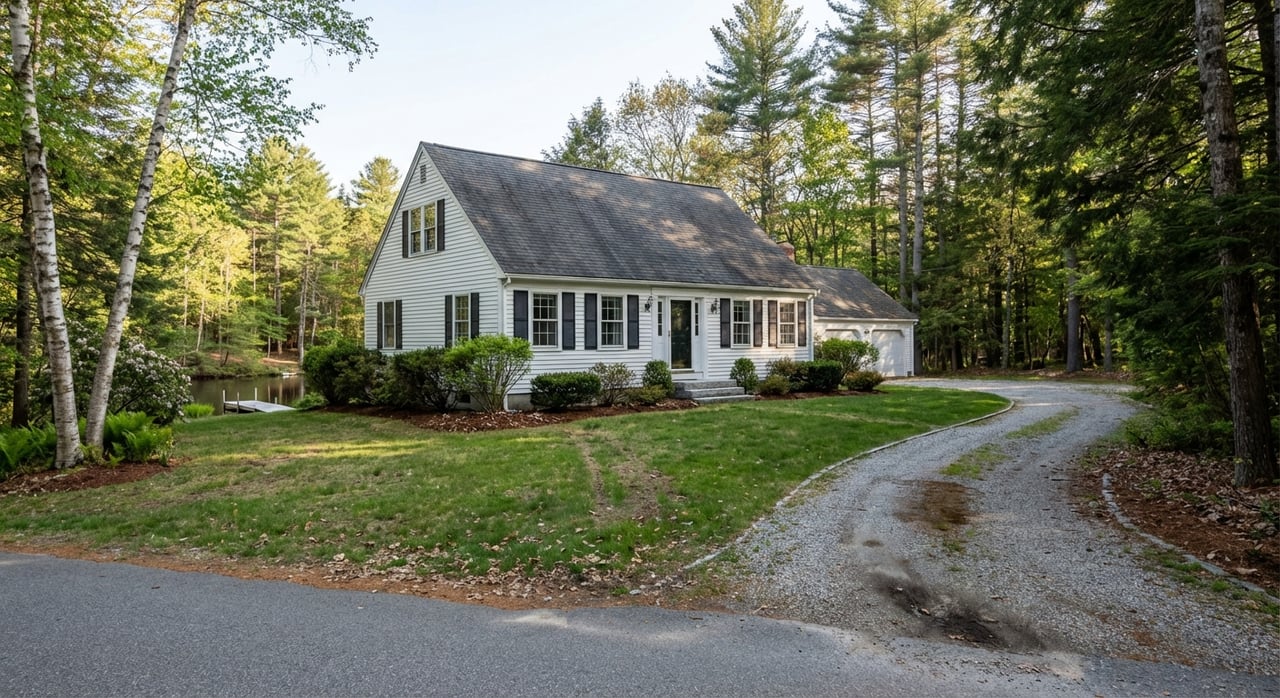
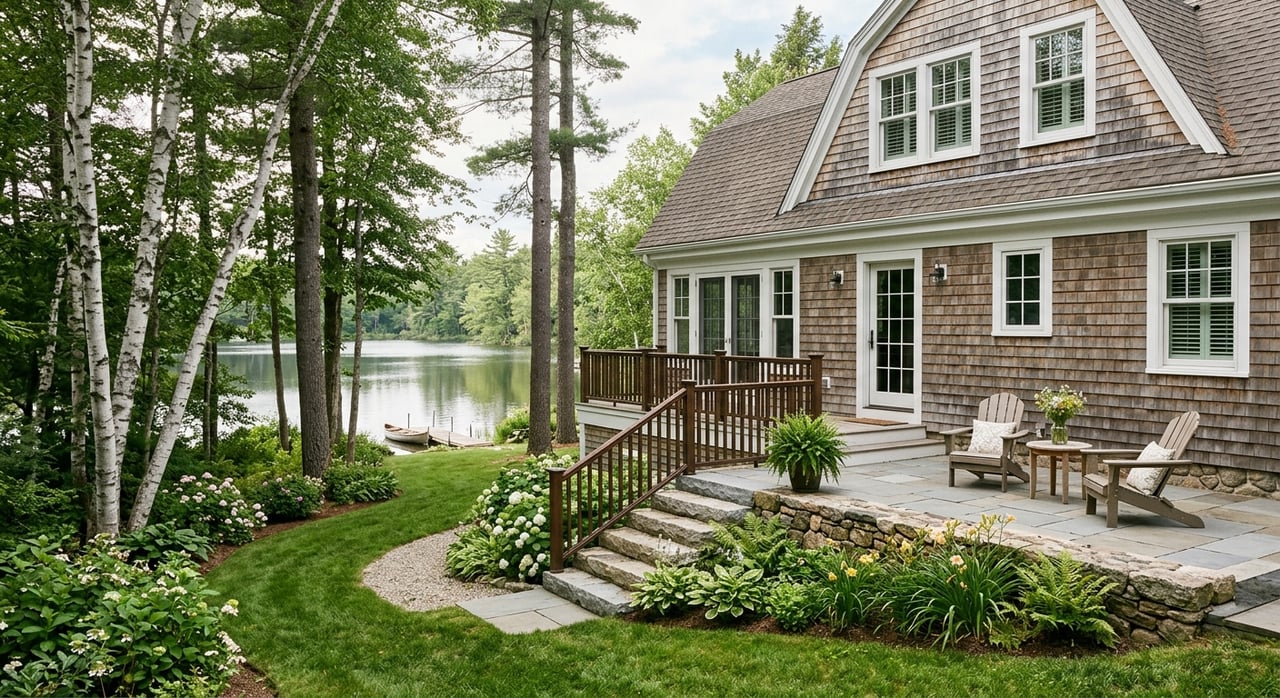
Barrington’s neighborhoods range from back‑road pockets with tall pines to lake associations and newer subdivisions near the main corridors. If you value a natural setting and privacy, the pattern here will likely appeal.
Large areas of town are forested, with conservation parcels and mapped trail networks highlighted in town materials. Many buyers look for homes on larger wooded lots for a sense of space. You will also see smaller lots near the intersections of Route 9 and Route 125 where daily errands and commuting are easier. The Master Plan is a good resource to understand how conservation and growth shape different parts of town.
Two well‑known water bodies anchor local recreation. Swains Lake is about 341 acres and is home to year‑round and seasonal properties, some with deeded access or private shoreline. Community associations around the lake focus on water quality, events, and practical items like boat access. For details on local stewardship and seasonal updates, check the Swains Lake Association.
Mendum’s (Mendums) Pond is roughly 250 to 265 acres and is another favorite for paddling, swimming, and fishing. As with Swains, you’ll find a mix of seasonal camps and updated year‑round homes in the surrounding neighborhoods. Learn more about the pond’s size and context on the Mendum’s Pond page.
Common daily activities around both lakes include kayaking, small‑boat cruising, fishing, and swimming in summer, then snowmobiling on nearby trails in winter. Summer tends to be livelier near the water, yet many pockets remain quiet and wooded even in peak season.
Single‑family homes dominate the housing stock. You can expect an eclectic mix:
Barrington also has a high owner‑occupancy rate at about 90 percent, which often signals stability in year‑round neighborhoods. Confirm current figures on Census QuickFacts.
Local zoning leans toward lower‑density residential districts. Recent warrant discussions for 2025 and 2026 considered increasing minimum lot sizes in some areas from about 80,000 square feet (roughly 1.84 acres) to about 130,000 square feet (roughly 2.98 acres). The town also reviewed Accessory Dwelling Unit language to reflect changes in state law. These updates matter because they influence the number of future subdivision lots and help preserve a larger‑lot, wooded character. For current language and status, review the town’s zoning warrant page.
Outside denser pockets near the town center, many homes rely on private wells and on‑site septic systems. During your due diligence, plan for well testing for bacteria, nitrates, and arsenic, and schedule a septic inspection or pump report. If a property is on a municipal system, confirm the exact service boundary and fees with the town. The Master Plan and water resources materials outline where different systems are more common. Start here: Barrington Master Plan.
You will drive here. Barrington is primarily car‑dependent, with regional roads connecting you to job centers across the Seacoast.
New Hampshire Route 125 runs north to south on the east side of town and is the main commuting corridor for many residents. Route 9 crosses Barrington east to west, helping you reach the Spaulding Turnpike to Dover and Rochester or connect to the Route 101 and I‑95 corridor toward Exeter and Massachusetts. To visualize 125’s path through the region, see NH Route 125.
Drive times vary by neighborhood and time of day, but here are practical ranges to expect:
Use real‑time mapping for your specific address and schedule, and test during school hours or snow events if that is part of your daily life. A helpful reference for one common route is this Barrington to Portsmouth distance guide.
Barrington operates K through 8 schools in town. High school students attend neighboring schools through a tuition and choice model that has included Dover High School, Coe‑Brown Northwood Academy, and Oyster River High School. Families should confirm current options, tuition agreements, and transportation as part of their planning. To start your research on local K through 8 schools, refer to the NCES school profile.
Local services include centralized town hall functions, emergency services, and a Parks and Recreation program that supports events and activities. The town is also working toward a more defined center through a Town Common and related improvements funded by a Tax Increment Financing district. Read more about the vision at the Town Center TIF page.
On property taxes, recent town materials note that the assessed base grew after a 2023 revaluation, which led to a lower rate that year. Rates and assessments change, so the best move is to check the town’s current postings or the New Hampshire Department of Revenue Administration data at the time you plan to buy or sell. The Tax Collector’s office explains the revaluation context here: Why did the tax rate go down?
Multiple data sources track the Barrington market, and they do not always agree on a single number. Late‑2025 aggregator snapshots placed the median price roughly in the $480,000 to $560,000 range. Treat that as a starting point only. The most accurate view is a live set of MLS comparables for your specific neighborhood, lot size, and condition.
Inventory typically stays modest, and the pace varies by season. Lakefront homes and well‑sited three to four bedroom properties on multiple acres tend to command premiums. They can also take longer to sell if updates are needed. Distinct sub‑areas such as Mendums Landing, Swains Lake, Beauty Hill, and the town‑center vicinity often display different price bands. Ask for sold comps that separate lakefront, deeded‑access, and off‑lake homes, and be sure to compare private‑road properties and HOA fees when relevant.
Use this quick list to focus your due diligence:
If you want the calm of tall pines, lake days within minutes, and a workable commute to Dover or Portsmouth, Barrington delivers a practical mix. The housing stock ranges from lakeside cottages to newer Colonials on acreage, and local planning is intentional about keeping a rural character while improving a small town center. The tradeoffs are typical for country living, like well and septic care and more driving for daily errands, but many buyers find the space, privacy, and access well worth it.
Curious how a specific street, lake association, or lot size performs in today’s market? Let’s align your goals with real MLS data, clear comps, and a step‑by‑step plan. Connect with Lombardi & Co for a neighborhood‑level consultation or to get your instant home valuation.
Stay up to date on the latest real estate trends.
Buying or selling a home is one of life’s biggest decisions. At Lombardi & Co, we guide you through every step with expertise, honesty, and personalized care. Let’s achieve your real estate goals together.