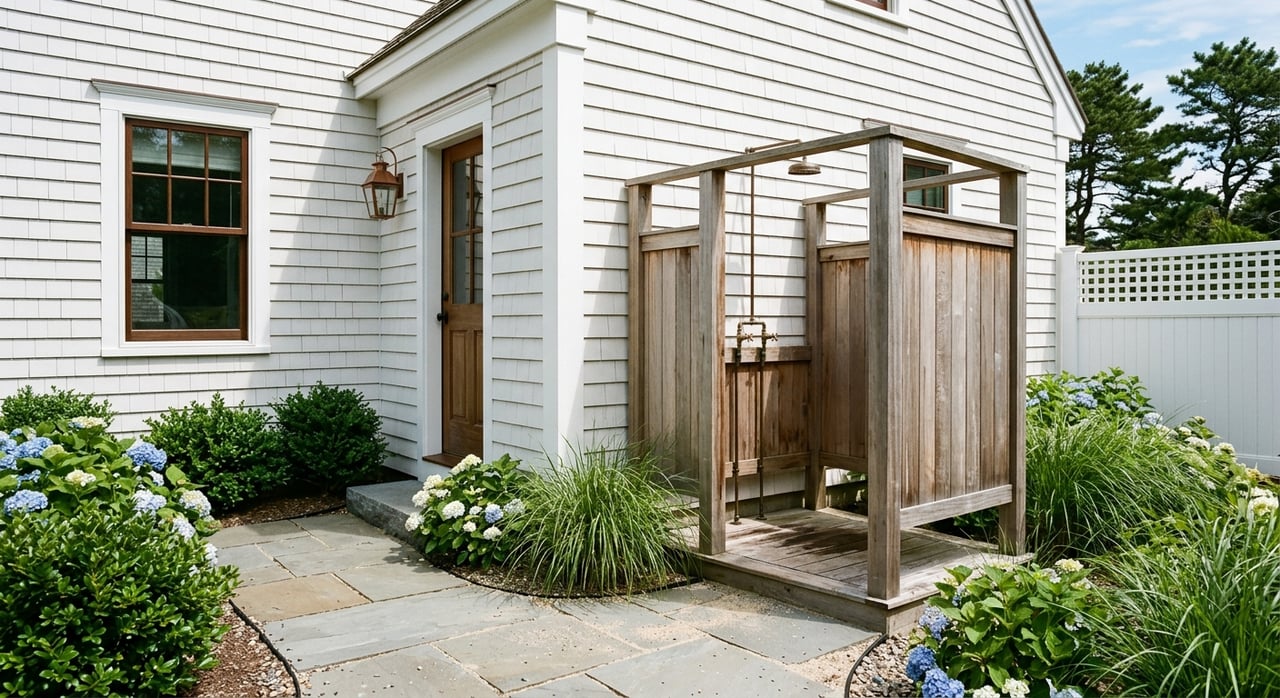
What Seabrook NH Second Home Buyers Should Know
July 9, 2026
July 9, 2026
Dreaming about a place near the coast where you can unplug for a weekend or stay longer in the summer? Buying a second home in Seabrook can be exciting, but it also comes with a few local details that matter more here than they might in an inland market. If you want to make a smart purchase, it helps to understand access, flood risk, carrying costs, and rental rules before you write an offer. Let’s dive in.
Seabrook offers a mix of beach access and practical convenience that makes it appealing for a second home. The town sits on Interstate 95 and Route 1, about 15 miles from Portsmouth, 36 miles from Boston, and roughly 35 miles from Logan Airport. That makes weekend trips and short stays much easier to manage.
Beyond the shoreline, Seabrook also has a broad retail and restaurant base. The town notes that it has roughly 250 industrial, commercial, and retail companies, which gives you more year-round convenience than some seasonal coastal areas. If you want a second home that feels usable in more than just peak vacation months, that can be a real advantage.
There is also a clear summer rhythm here. The Hampton Area Trolley runs from Memorial Day until the Hampton Beach Seafood Festival in September, and beach-area parking restrictions are enforced from Memorial Day weekend through September 15. For many second-home owners, that means late spring through early fall is the most important season to plan around.
If beach access is one of the main reasons you are buying, make sure you understand how it works before closing. Seabrook says beach parking is resident-only, and placards are issued from May 1 to September 15. The town also states that nonresident beach property owners can receive a placard during that same season.
That may sound simple, but it is still worth verifying the details for the specific property you want to buy. If easy beach access is central to how you plan to use the home, you do not want surprises after closing. This is one of those local details that can shape your day-to-day ownership experience.
Current public listing snapshots show a mix of single-family homes, condos, and multifamily properties in Seabrook. For you as a second-home buyer, that usually means you will be choosing between more space and privacy on one hand, or lower-maintenance ownership on the other. There is no single property type that defines the market.
A detached home may give you more outdoor space and flexibility. A condo may reduce some maintenance demands, which can be especially helpful if you live out of state. The right fit depends on how often you plan to visit, how much upkeep you want to handle, and how you expect to use the property over time.
Because inventory changes quickly, it is smart to treat current listings as a snapshot rather than a long-term rule. Your best option may depend as much on timing as on preference.
In Seabrook, flood status is not a box to check late in the process. The town’s Building and Code Enforcement materials include FEMA Floodplain Management information, and the Beach Village District permit application specifically asks whether a property is in a flood zone and whether a FEMA or NFIP elevation certificate has been completed. That is a strong sign that flood-related due diligence matters here.
You should check the official flood map early, ideally before you get too far into the offer process. FEMA’s Flood Map Service Center is the official public source for flood hazard information. If a property is in a Special Flood Hazard Area and you are using a government-backed mortgage, flood insurance is required.
It is also important to know that standard homeowners insurance usually does not cover flood damage. Some banks may even require flood insurance outside high-risk areas. For a coastal second home, this can affect both your monthly budget and your long-term comfort level with the purchase.
With coastal property, past improvements matter. Seabrook’s local materials include Certificate of Occupancy forms and building permit applications, which tells you that records around occupancy and renovations should be part of your review. If a property has been updated, expanded, or reconfigured, you want to know that the work was properly documented.
This is especially important if you plan to make changes after purchase. A home that looks move-in ready may still come with permit, elevation, or inspection considerations that affect your timeline and costs. Checking this early can help you avoid delays and protect your budget.
Second-home financing is not always the same as financing a primary residence. Fannie Mae defines a second home as a one-unit property that you occupy for some portion of the year, that is suitable for year-round occupancy, under your exclusive control, and not a rental property or timeshare.
That distinction matters because loan terms can change depending on how the home will be used. Fannie Mae also states that rental income from the property cannot be used to qualify when the loan is being treated as a second home. It also notes that second-home loans can have additional pricing adjustments.
In practical terms, you should talk through your intended use before you start shopping seriously. If your plan is mostly personal use with occasional rentals, that may look different from a property that is primarily intended to generate income. Getting clear on that early can help you avoid financing surprises later.
List price is only part of the cost of owning a second home. Seabrook’s latest official posted tax rate for 2025 is $12.40 per $1,000 of assessed value. The town bills property taxes twice a year, with due dates of July 1 and December 1, or 30 days after a bill is issued.
That means your carrying cost should be based on more than the asking price. You should look at the assessed value, current tax rate, insurance needs, and any ongoing maintenance costs tied to a coastal property. In Seabrook, those details can have a real impact on affordability.
Many second-home buyers like the idea of occasional rental income. If that is part of your plan in Seabrook, you need to understand the state rules before you buy. New Hampshire’s Meals and Rooms Tax is 8.5% and applies to room rentals of less than 185 consecutive days.
The New Hampshire Department of Revenue Administration also says short-term rental advertisements must include the operator’s Meals and Rooms license number. Returns are generally due on the 15th of the month following the taxable period. If you may rent the property part-time, these steps should be part of your ownership planning from day one.
Local verification matters too. Seabrook Beach Village District maintains building permit and Certificate of Occupancy applications, so buyers planning rentals or renovations should confirm current occupancy, inspection, and permit requirements with the town before closing. That small step can help you avoid larger issues later.
A second home should work for your real life, not just your wish list. You may want easy weekend access from Boston, simple upkeep, strong summer usability, or enough flexibility for longer stays. In Seabrook, the right fit often comes down to how your lifestyle lines up with the town’s seasonal rhythm and coastal requirements.
It helps to think through a few practical questions before you buy. How often will you come? Do you want to lock and leave with minimal work, or are you comfortable taking on more maintenance? Will beach access, parking, or potential rental use shape your decision?
The clearer your answers, the easier it is to focus on homes that truly fit your goals.
Buying a second home in Seabrook can be a great move, but it works best when you go in with a clear plan. Beach access, flood zones, insurance, taxes, permits, and rental rules all deserve attention early in the process. These are not minor details in a coastal market like this.
When you understand the local factors up front, you can buy with more confidence and fewer surprises. If you are weighing property types, comparing carrying costs, or trying to understand how a home fits your long-term plans, working with a team that knows the Seacoast can make the process much smoother.
If you are considering a second home in Seabrook, Lombardi & Co can help you evaluate the local market, narrow your options, and move forward with clarity.
Stay up to date on the latest real estate trends.
Buying or selling a home is one of life’s biggest decisions. At Lombardi & Co, we guide you through every step with expertise, honesty, and personalized care. Let’s achieve your real estate goals together.