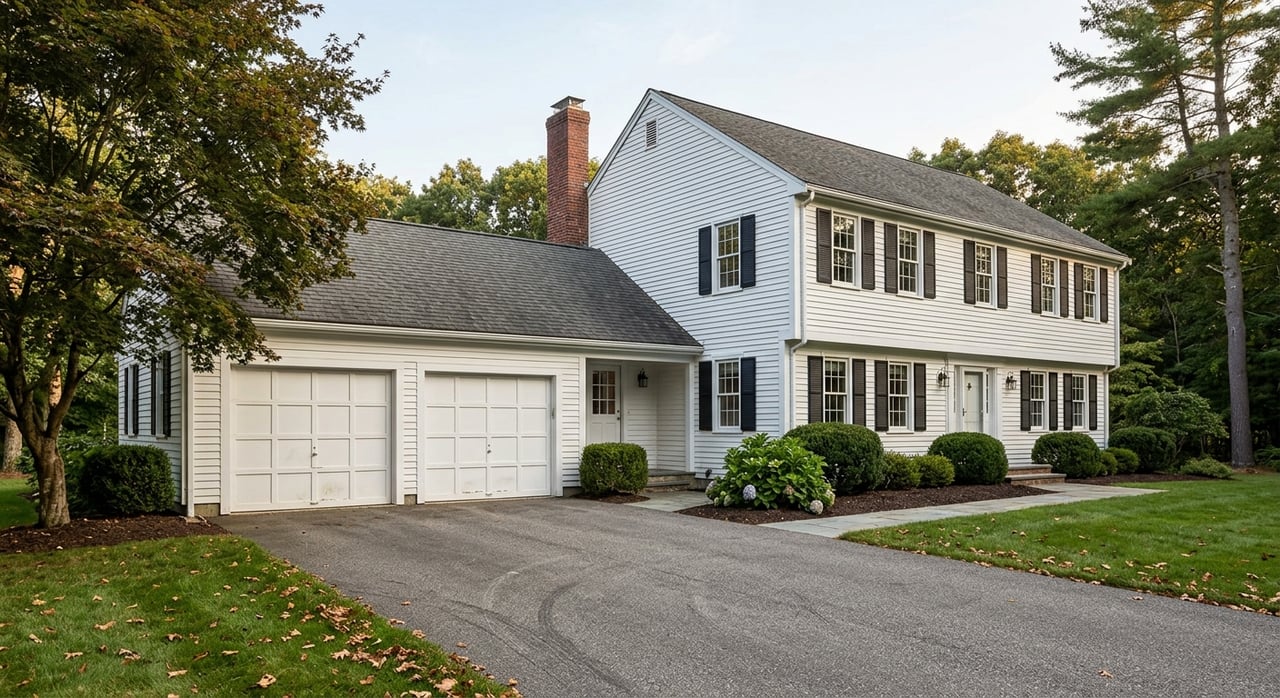
Buying and Selling a Home at the Same Time in Stratham, NH
April 2, 2026
April 2, 2026
Trying to buy and sell at the same time in Stratham can feel like solving a puzzle with moving pieces. You want to protect your equity, avoid paying for two homes longer than necessary, and still stay competitive in a market where timing matters. The good news is that with the right plan, you can reduce risk and keep your move on track. Let’s dive in.
Stratham is a high-value, owner-occupied market, which changes the stakes for anyone making a move. According to the U.S. Census QuickFacts for Stratham, about 92.6% of homes are owner-occupied, the median owner-occupied home value is $655,400, and median monthly owner costs with a mortgage are $2,920.
That matters because buying and selling at the same time is not just about finding the next house. It is also about managing cash flow, equity, and the possibility of carrying two housing payments at once. The town’s 2025 real estate tax rate is $13.52 per $1,000 of assessed value, so even a short overlap can add real cost.
Market conditions also make planning important. Realtor.com’s Stratham market overview showed 23 homes for sale in February 2026, a median list price of $729,925, a median of 45 days on market, and a 100% sale-to-list ratio. In plain terms, inventory is limited, prices are meaningful, and buyers and sellers both need a clear strategy.
For most homeowners, selling first is the lower-risk option. The Consumer Financial Protection Bureau notes that if you want to move, you normally try to sell your current home before buying another one.
That approach usually gives you the cleanest picture of your budget. Once your sale is under contract, or closed, you know how much equity you have available and how much cash you can apply to your next purchase. You also reduce the risk of carrying two mortgages for longer than expected.
Buying first can work, but it takes stronger financial flexibility. Your lender may need to document that you can handle the payments on your current home, your next home, and any short-term financing involved.
Selling first is often the best fit if you want to:
The tradeoff is that you may need temporary housing if your purchase timeline lags behind your sale.
Buying first may be worth exploring if you:
In Stratham, this option can be harder to pull off smoothly because local inventory is limited. If the right home appears, you may need to move quickly, but you still need a clear backup plan if your current home does not sell on the exact schedule you want.
There is no one-size-fits-all answer. Most buy-and-sell moves fall into one of four basic strategies.
This is the most conservative path. You list your current home, accept an offer, and either close before buying or shop for your next home once your sale is secure.
The main benefit is certainty. You know your proceeds, your budget, and your monthly obligations before you commit to the next purchase.
The main challenge is the gap between transactions. Since Stratham had only one rental listing in Realtor.com’s February 2026 snapshot, short-term local housing may be limited if your closings do not align.
A bridge loan, sometimes called a swing loan, can help you purchase your next home before selling the current one. Fannie Mae’s guidance explains that this type of temporary financing can be an acceptable source of funds, but the lender must document your ability to carry all related payments and obligations.
The upside is flexibility. You may be able to secure your next home without rushing your current sale.
The downside is cost and complexity. A bridge loan adds another payment layer, and your lender will look closely at income, assets, debts, and reserves.
This strategy aims to have your sale and purchase close very close together, sometimes on the same day. Freddie Mac notes that the closing period typically takes 30 to 45 days after an offer is accepted, which is why date coordination matters early.
When this works well, it can reduce the need for temporary housing or a long overlap in payments. But it requires strong communication among your agent, lender, attorney, and closing team.
A rent-back, also called a leaseback, lets you stay in your home for a set period after closing. The National Association of Realtors consumer guide explains that the contract should spell out rental compensation and the final move-out date.
This can be a helpful tool if you want the security of closing your sale first but need more time to complete your purchase or move. It can be especially useful if you are downsizing and want a little breathing room between transactions.
Contingencies are contract terms that protect you if certain things do not happen on schedule. They are common, but in a competitive market, too many contingencies can make your offer less attractive.
That is why your strategy needs balance. You want enough protection to manage risk without weakening your negotiating position more than necessary.
These two terms sound similar, but they are not the same.
A home sale contingency gives you time to sell your current home before the new purchase closes. A home close contingency gives you time to actually close on your current home sale before buying the next one. The NAR contingency guide outlines both tools and how they are used.
For you, the difference is practical. If your current home is not yet under contract, a home sale contingency may offer broader protection. If your home is already under agreement and you are waiting on closing, a home close contingency may be more precise.
If a seller accepts your contingent offer, they may still want flexibility. NAR notes that sellers can continue to show the property and use a kick-out clause, which allows them to keep marketing the home and gives you a chance to remove the contingency or step aside if a stronger offer appears.
This is important in Stratham because limited inventory can create competition. A contingency may protect you, but it can also reduce your leverage.
These protections matter too, even when timing is your main concern. The CFPB explains that an inspection contingency can let you cancel without penalty if major issues are found. Freddie Mac adds that an appraisal contingency can help if the home appraises below the contract price.
These are not minor details. If the appraisal comes in low or the inspection reveals significant repair issues, the entire timing plan can shift. That is why you want enough room in your schedule and budget to handle a surprise.
When people think about buying and selling at the same time, they often focus only on price. Timing can be just as important.
The CFPB says buyers should plan for closing costs that typically run 2% to 5% of the purchase price, plus moving costs, repairs, improvements, taxes, insurance, and other ownership expenses. If you are overlapping two properties, even briefly, those numbers can add up fast.
A smart plan usually includes cash for:
In a market like Stratham, it is wise to treat temporary housing as a real backup plan rather than a last-minute scramble.
A smooth same-time move usually starts well before you list or make an offer. The goal is to line up financing, pricing, preparation, and contract timing so each step supports the next.
Start with your likely sale price, your estimated net proceeds, and a lender conversation about what you can comfortably afford. Lenders commonly evaluate income, assets, employment, debt, savings, and credit, according to the CFPB.
Decide whether you are selling first, buying first, or trying to time back-to-back closings. This decision shapes everything from your offer strategy to your backup housing plan.
If you are selling, get listing prep done early. That gives you more control over launch timing and helps you act quickly when the right purchase opportunity appears.
Use contract language that matches your actual risk. Strong protection can help, but in a competitive market, every contingency should be intentional.
Ask yourself one simple question: if the dates do not line up, where will you go? A rent-back, short-term stay, or family arrangement can turn a stressful gap into a manageable one.
Buying and selling at the same time is really a coordination challenge. The pieces only work if the timeline is actively managed.
That includes pricing your current home well, preparing it for market, structuring offers thoughtfully, tracking financing deadlines, and keeping closing dates realistic. It also means bringing in the right professionals at the right time. NAR recommends having a real estate attorney review contract terms, especially contingencies.
In a tight market like Stratham, your agent’s role is not just to open doors or put a sign in the yard. It is to help you weigh risk, protect leverage, and keep both sides of the move moving together.
If you are planning a move in Stratham and want a clear strategy for buying and selling without unnecessary stress, the team at Lombardi & Co can help you map out the timing, pricing, and negotiation plan that fits your goals.
Stay up to date on the latest real estate trends.









Buying or selling a home is one of life’s biggest decisions. At Lombardi & Co, we guide you through every step with expertise, honesty, and personalized care. Let’s achieve your real estate goals together.