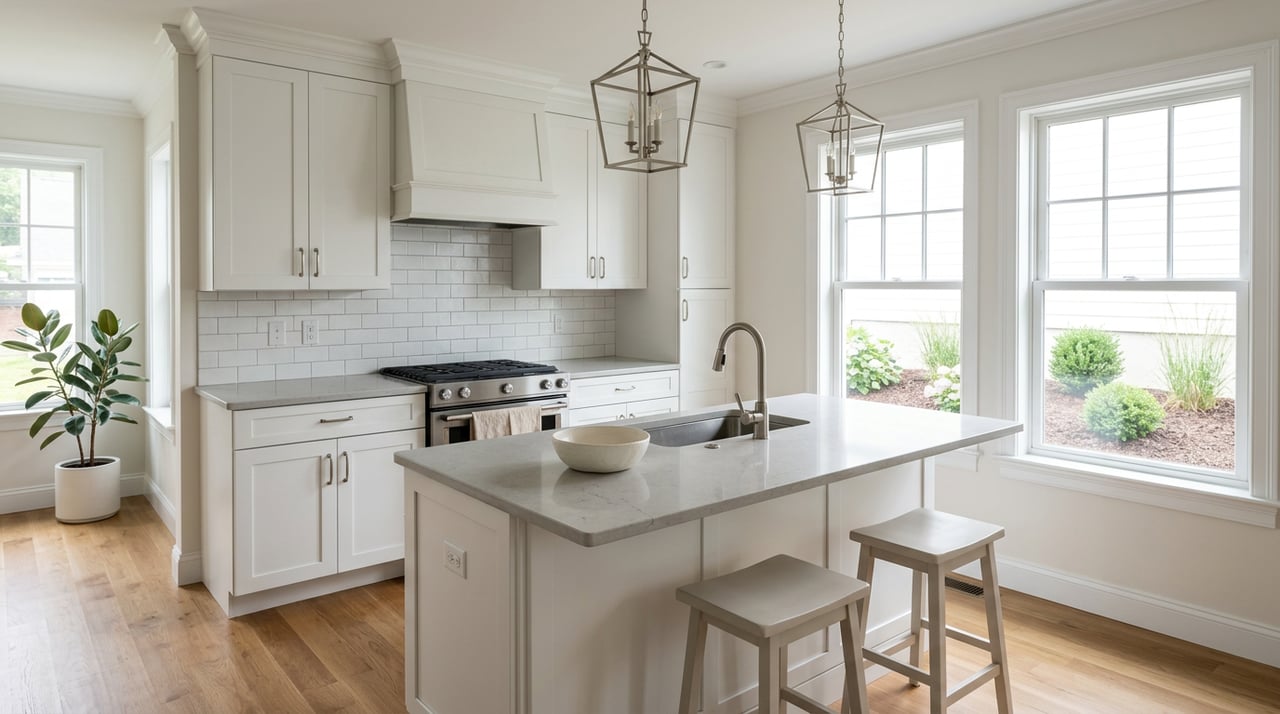
New Construction Seabrook NH vs Resale: How to Decide
March 24, 2026
March 24, 2026
Torn between building a new home or buying a resale in Seabrook? You are not alone. Along this coastal stretch, your decision touches more than price and finishes. It also involves timelines, flood exposure, inspections, and utilities. In this guide, you will get a clear, Seabrook-specific comparison so you can move forward with confidence. Let’s dive in.
Seabrook’s market sits in the mid to upper six-figure range, with recent snapshots placing the median price around $714,900. Inventory can be tight, so options may shift quickly week to week.
Local taxes and services matter. The town’s 2025 property tax rate is $12.40 per $1,000 of assessed value. You can confirm details and calculation notes on the town’s official tax page. Review the town’s published rate at the Seabrook tax rate detail.
Water and sewer vary by street. Seabrook operates municipal water and a wastewater treatment plant, but some lots still use private well or septic. Before you make an offer, confirm whether a property is tied into town services by reviewing the town’s water and sewer reports.
Coastal hazards are a real factor. FEMA maps show parts of Seabrook within V and AE flood zones, and the town’s hazard plan highlights coastal vulnerability. This can affect engineering requirements, insurance, and lender rules. To understand local risk areas, see the town’s Hazard Mitigation Plan.
New construction supply is smaller-scale. You will see individual spec homes, townhomes, or small subdivisions rather than large master-planned communities. That means more custom timelines and builder-by-builder differences to evaluate.
For many buyers, 6–12 months is common for production or spec homes, while 9–18 months or more is typical for fully custom builds. Coastal site work, elevation standards, and weather can add time. Lenders often structure construction-to-permanent loans around a 12–18 month window. For an overview of how construction loans work, review this construction loan guide.
Seabrook’s Building Department manages building permits and Certificates of Occupancy. Expect staged municipal inspections for footing and foundation, framing, insulation, rough mechanicals, and final. Coastal or Beach Village District lots may have extra requirements, so verify checklists early with the Seabrook Building Department.
You will typically pick between a construction-only loan or a single-close construction-to-permanent loan. Construction financing can carry higher interest during the build, with draw schedules and inspection fees. Ask lenders about expected build windows, fees, and how they handle coastal properties. Learn the basics in this construction-to-permanent overview.
Many builders use a “1–2–10” warranty structure: one year for workmanship and materials, two years for systems, and a limited ten-year structural warranty. Always request the written warranty and ask who backs it. For context, see a typical 1–2–10 warranty explanation. Even with a warranty, schedule independent inspections at pre-drywall and final, plus a one-year warranty inspection to catch items the builder should address.
If your lot is near the beach or estuary, plan for elevation, engineered fill, or drainage work. Ask your builder how they will address base flood elevation and whether they will provide an elevation certificate. The town’s Hazard Mitigation Plan outlines where coastal risks concentrate. During planning, you can also request radon-resistant construction measures, which are easier to install while building.
Treat a general home inspection as standard, and add coastal and New Hampshire specifics: septic inspection if applicable, sewer scope if on municipal sewer and line condition is unknown, well-water test if private well, lead testing for older homes, and a radon air test. New Hampshire recommends testing for radon in all transactions, and sellers must disclose existing results if a test exists. Review state guidance in this radon safety brief for buying and selling.
For homes near the coast or marsh, confirm the FEMA flood zone and ask for any elevation certificate. If flood insurance applies, request insurance history and claims, and verify that flood repairs were completed with permits. The town’s Hazard Mitigation Plan is a helpful starting point.
Resale homes can deliver value, but plan for near-term items like roofs, windows, HVAC, or water heaters. As a rule of thumb, asphalt-shingle roofs often last about 20–30 years, depending on quality and exposure. For context on roof replacement decisions, see this practical roofing resource. HVAC systems often run 15–20 years, tank water heaters around 8–12 years, and septic systems about 20–40 years with proper care. Use your inspection to gauge timing and budget.
Ready to weigh your options with a local, data-driven plan? Reach out to the team at Lombardi & Co for a tailored strategy, property short list, and a clear path from offer to close.
Stay up to date on the latest real estate trends.
Buying or selling a home is one of life’s biggest decisions. At Lombardi & Co, we guide you through every step with expertise, honesty, and personalized care. Let’s achieve your real estate goals together.